Notice: Planned maintenance on November 20th Learn more >
About the Course
Introduction
This CLE/CPE webinar will provide an overview of intentionally-defective grantor trusts, and then a comprehensive and practical guide to IRC Section 678 beneficiary defective trusts. Our speaker will discuss the benefits of utilizing BDOTs (beneficiary deemed owner trusts) and BDITs (beneficiary defective inheritor's trusts) in estate plans, and offer practical examples of their use, including a comprehensive review of freeze transactions.
Description
Taxpayers and advisers create BDOTs and BDITs pursuant to IRC Section 678 to freeze values for estate tax purposes while transferring assets from the estate free of gift tax. The use of beneficiary defective trusts in estate plans has become more prevalent due to the permanent increase of the estate tax exemption by the One Big Beautiful Bill Act.
If structured correctly and based on current law, gifts or sales to beneficiary defective trusts can pass net worth to future generations to maximize tax savings. BDOTs and BDITs tax the beneficiary, as the owner of the trust, at their individual income tax rate. In addition to income tax savings, Section 678 trusts can provide asset protection and also shift and freeze asset appreciation outside an estate when properly structured.
While BDOTs and BDITs offer significant tax benefits, estate planning tax advisers and counsel must be aware of potential pitfalls associated with these trusts. Section 678 sets forth the conditions under which the beneficiary, rather than the grantor, is considered the owner of the trust. Tax counsel and advisers must understand the complex criteria for Section 678 trusts to ensure optimum estate and income tax benefits for clients.
Listen as our speaker discusses best practices for maximizing the benefits of utilizing BDOTs and BDITs in estate plans, key provisions of Section 678, and the income tax benefits of granting beneficiaries withdrawal rights over trust income but not principal, as well as offers practical examples of their use.
Presented By
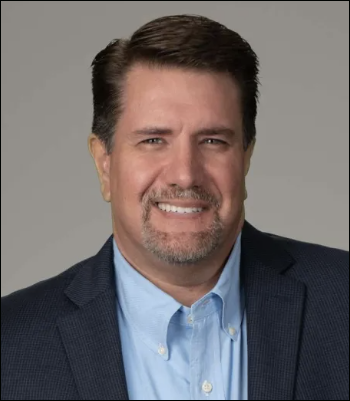
Mr. Meek is a partner in MendenFreiman's business law, tax planning, and estate planning practice areas. He provides comprehensive legal counsel on business, tax, and estate planning matters to high-net-worth individuals and families, as well as privately-held businesses. A solutions-oriented, pragmatic, and collaborative counselor with strong business and financial acumen, experience advising families and business leaders on wealth and business planning issues, and aptitude in balancing risk exposure against strategic goals, Mr. Meek has represented businesses and business owners with the design and implementation of comprehensive business plans that integrate succession, tax minimization, and asset protection techniques. He applies his knowledge and expertise to develop customized strategies that help clients achieve their long-term business, financial, and estate planning objectives. Throughout his career, Mr. Meek has worked on numerous high-net-worth, developing comprehensive estate, tax, wealth transfer, and business succession plans and managing formation and implementation processes for defective grantor trusts and other forms of dynastic trusts, estate freeze transactions, and charitable trusts and foundations.
-
This 90-minute webinar is eligible in most states for 1.5 CLE credits.
-
Date + Time
- event
Tuesday, April 14, 2026
- schedule
1:00 p.m. ET./10:00 a.m. PT
I. Overview of IRC Section 678 trusts
II. Beneficiary defective inheritor's trusts
III. Beneficiary deemed owner trusts
IV. Freeze transactions
V. Best practices and pitfalls to avoid
The panel will explore these and other relevant issues:
- Current tax law and legislative guidance on beneficiary taxed trusts
- Beneficiary defective trusts vs. intentionally defective grantor trusts
- Planning applications for BDOTs and BDITs
- Freezing the current value of appreciating assets using trusts
- Pitfalls to avoid when utilizing beneficiary defective trusts
Related Courses

Estate Planning for U.S. Families with Foreign Assets: Strategies for Tax Counsel and Estate Planners
Tuesday, January 26, 2027
1:00 PM ET/10:00 AM PT
Income Tax Planning for In-Kind Trust Distributions
Tuesday, February 16, 2027
1:00 PM ET/ 10:00 AM PT