About the Course
Introduction
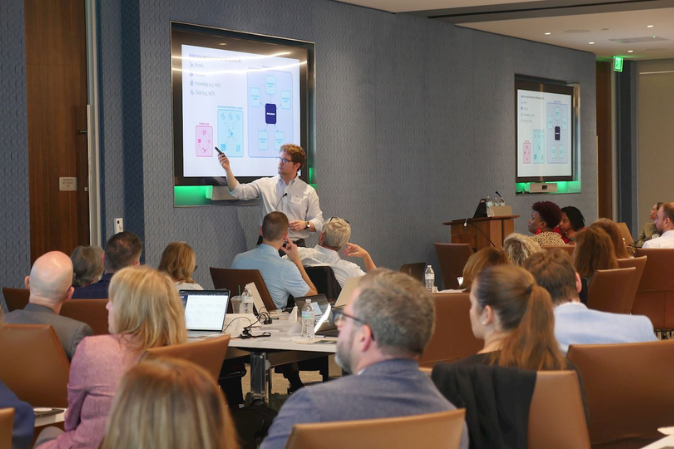
This CLE webinar will offer a comprehensive overview of the formation, structuring, and operation of venture capital (VC) funds. The panel will explore how fund managers craft an investment thesis and overall strategy, the economics and governance provisions that drive performance, and the legal documents that define relationships among the fund, its limited partners, the general partner, and the adviser.
Description
Launching a VC fund requires thoughtful coordination of structure, capital commitments, governance rights, economic allocations, tax planning, and compliance with applicable state and federal securities regulations. Counsel must address related operational mechanisms—including capital calls, distribution waterfalls, carried interest, and management-fee design—as well as essential investor rights. At the same time, the fund documentation needs to spell out the general partner’s authority and fiduciary duties, restrictions on limited partner involvement, conflict-of-interest rules, and policies for co-investments or allocations.
Fund managers must also establish reliable methods for valuing portfolio positions in reporting and create an effective investment-approval process, typically handled by an investment committee with clear authority and procedures.
Listen as our experienced panel examines the essential elements of launching a VC fund: structure, economics, management practices, documentation, tax considerations, operational strategies, and practical advice for new and emerging managers.
Presented By

Ms. Diaz is an attorney practicing tax, trusts and estates. She focuses her practice on U.S. federal estate tax planning for international, high-net-worth individuals and families. Ms. Diaz concentrates on individual investments, including real estate structures, pre-immigration planning and international transactional matters, as well as U.S. federal tax compliance. She also has experience with aircraft trust structures and domestic trust and estate planning including spousal lifetime access trusts.

Mr. Ross has more than 20 years of experience advising clients across the US, Asia, and Africa. He regularly represents private equity and venture capital fund sponsors on all aspects of the fund lifecycle, from initial structuring to final distribution, with clients ranging from top-tier alternative asset managers to solo general partners of micro-funds and special purpose vehicles (SPVs). In addition to his fund practice, he counsels emerging growth companies on public and private capital formation and secondary transactions. Mr. Ross's private offerings experience spans Regulation D, Regulation A, and Regulation Crowdfunding offerings, as well as resales under Rule 144, Section 4(a)(1½), and Section 4(a)(7). Recognized for his extensive knowledge of exempt transactions, he has testified in court as an expert on securities law matters. Mr. Ross is the host of the American Bar Association podcast VC Law, and recently authored a book on venture capital law.

Mr. Winkel is a corporate and securities attorney who focuses on fund formation, securities regulation, and transactional law. His practice is concentrated on the formation and representation of private investment funds—primarily venture capital, private equity, and hedge funds—in the US, South Asia, Middle East, and North Africa. Mr. Winkel works with private equity sponsors, venture capital funds, family offices, limited partners, and asset management teams in connection with fund formation matters, capital investments, secondary transfers, fund restructurings, and other corporate transactions involving private investment funds. His experience includes handling both transactional and regulatory matters, with a focus on private fund compliance, including Form ADV, Form D, and Blue Sky regulatory filings, and he also drafts and reviews complex formation and fundraising documents for private fund transactions.
-
This 90-minute webinar is eligible in most states for 1.5 CLE credits.
-
Date + Time
- event
Tuesday, February 3, 2026
- schedule
1:00 p.m. ET./10:00 a.m. PT
I. Core issues in forming a VC fund
A. Selection of structure: Delaware LP vs. LLC, master/feeder arrangements, SPVs, series, parallel funds
B. Identifying investment strategy, mandate, and fund size
C. Adviser registration, exemptions, and compliance framework
II. Fund structure and economics
A. Capital commitments and capital call mechanics
B. Management fee design (commitment-based vs. invested-capital models)
C. Distribution waterfalls, carried interest, and recycling provisions
D. GP commitments and alignment with LPs
E. Clawback and distribution return provisions
III. Drafting key fund documents
A. Limited partnership agreement (or operating agreement)
B. Private placement memorandum
C. Subscription agreement and investor questionnaire
D. Side letters and MFN considerations
E. Investment management agreement and allocation/compliance policies
IV. Managing key relationships
A. General partner, investment adviser, and fund entities: roles and authority
B. Limited partner governance rights and advisory committees
C. Conflicts of interest, co-investment processes, and allocation policies
D. Interactions with portfolio companies and fiduciary duties of board designees
V. Tax and operational considerations
A. Flow-through taxation fundamentals
B. ECI, effectively connected income, UBTI considerations for tax-exempt/foreign LPs
C. Use of blockers, AIVs, and parallel structures
D. Fund expenses, organizational expense caps, and budgeting
VI. Practitioner pointers and key takeaways
A. Market ranges for economic and governance terms
B. Common negotiation points with LPs
C. Emerging trends for 2025–2026 (e.g. continuation vehicles, SPVs, platforms)
D. Practical guidance for first-time or emerging managers
After the program, participants will be able to:
- Identify the typical VC fund offering documents.
- Distinguish current market norms for capital call mechanics, distribution waterfalls, carried interest, recycling rights, preferred return provisions, and other key economic terms.
- Understand the role and composition of investment committees and advisory committees, and the degree of independence appropriate for each.
- Navigate common tax issues for domestic, foreign, and tax-exempt investors, including blocker structures and ECI/UBTI mitigation.
- Provide practical and strategic guidance to emerging managers on fund formation and operational best practices.
Related Courses

Recommended Resources