About the Course
Introduction
This CLE/CPE course will provide trusts and estates counsel guidance on various techniques to minimize capital gains in estate planning. The panel will discuss key estate planning issues from the sale and transfer of real estate, business interests, and other assets, as well as effective methods to minimize or eliminate capital gains. The panel will focus on techniques involving the use of trusts, circumstances when undoing trusts may be beneficial, upstream gifting, installment sales, notes, and other key items for trusts and estates counsel.
Description
Estate planning attorneys employ many strategies designed to minimize or eliminate tax liability with the "permanently" increased federal estate tax exemption. Counsel should consider utilizing planning techniques to reduce the impact of capital gains tax.
Certain assets have appreciated greatly, such as real estate, business interests, stock, and other assets. Counselors use various estate planning methods, such as the use of SLATs and GRATs, installment sales, promissory notes, and upstream gifting. Counsel may consider trust provisions or the restructuring/modifying of trusts to ensure the estate plan's goals and tax consequences.
Presented By
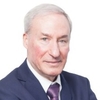
Mr. Barnett’s practice is highly concentrated in the areas of taxation, trusts, estates, corporate and partnership law and charitable planning. His experience includes surrogate’s court practice, tax dispute resolution in both federal and state jurisdictions, and tax court representation. Mr. Barnett frequently assists clients in structuring financial transactions and charitable gifts. His articles and lectures encompass a wide variety of topics, including business succession, estate planning, generation-skipping, stock options, effective strategies for removing tax liens, proper utilization of the marital deduction and utilization of partnership elections.

Mr. Matalon’s practice concentrates in the areas of estate planning, estate administration, elder law, and Not-for-Profit and Religious Corporations Law. He regularly helps individuals and families plan for the future through the preparation of Last Wills and Testaments, Trusts, Living Wills and Health Care Proxies, and Durable Powers of Attorney documents. Mr. Matalon provides his clients with the tools to create a tax-efficient estate plan while realizing that the Client’s goal(s) are primary. He also represents Executors and Trustees to navigate the complex Federal and State laws impacting Estates and Trusts. While representing Executors and Trustees, Mr. Matalon has identified areas of unsettled law and he has either clarified existing law or, in some cases, created new law through his submissions of Private Letter Ruling requests to both the Internal Revenue Service and New York City Department of Finance.
-
This 90-minute webinar is eligible in most states for 1.5 CLE credits.
-
Date + Time
- event
Thursday, March 19, 2026
- schedule
1:00 p.m. ET./10:00 a.m. PT
I. Utilizing specific trusts or undoing trusts
II. Upstreaming gifts
III. Installment sales, notes, etc.
IV. Key issues and strategies for business owners
V. Takeaways for trusts and estate attorneys
The panel will review these and other issues:
- What are the most effective strategies for minimizing capital gains in estate planning?
- What planning issues arise in the sale or transfer of real estate, business interests, stock, and other assets?
- What circumstances would cause one to consider undoing a trust?
- What are the advantages and disadvantages of upstream gifting?
- What are the benefits and challenges of using installment sales, promissory notes, etc.?