About the Course
Introduction
This webinar will discuss the structure and mechanics of IRC Section 678 beneficiary defective trusts. Our panel of astute trust and estate planning attorneys will cover the benefits of utilizing BDOTs (beneficiary deemed owner trusts) and BDITs (beneficiary defective inheritor's trusts) in estate plans, review legislative guidance relative to these trusts, and offer practical examples of their use.
Description
The One Big Beautiful Bill Act permanently increased the estate tax exemption to $15 million beginning in 2026, indexed annually for inflation. This permanence and all-time high threshold have encouraged the use of beneficiary defective trusts in estate plans.
While trusts are taxed at the maximum rate of 37% with only $16,001 or more of taxable income (2026), BDOTs and BDITs tax the beneficiary, as the owner of the trust, at their individual income tax rate. In addition to income tax savings, Section 678 trusts can provide asset protection and also shift and freeze asset appreciation outside an estate when properly structured.
IRC §678 sets forth the conditions under which the beneficiary, rather than the grantor, is considered the owner of the trust:
(a) General rule
A person other than the grantor shall be treated as the owner of any portion of a trust with respect to which:
(1) such person has a power exercisable solely by himself to vest the corpus or the income therefrom in himself, or
(2) such person has previously partially released or otherwise modified such a power and after the release or modification retains such control as would, within the principles of sections 671 to 677, inclusive, subject a grantor of a trust to treatment as the owner thereof.
Ensuring a beneficiary is the deemed owner of the trust and has a partially released (lapsed) power can be complicated. The beneficiary may be given sole withdrawal rights. For BDITs, the trust is funded by a third party and may be granted Crummey rights, which are intentionally allowed to lapse. Meeting the criteria for Section 678 trusts is complicated, but the estate and income tax benefits can be immense.
Listen as our panel of estate planning experts analyzes the specific requirements of beneficiary defective trusts and, perhaps more importantly, points out the pitfalls trust and estate professionals should avoid when establishing these tax-saving trusts.
Presented By

Mr. Harris is a partner in MendenFreiman's estate planning, estate administration, and business law practice areas. His goal is to build a close relationship with each client, so he can understand their needs and help them achieve both short-term and long-term goals. Mr. Harris not only assists his clients with their foundational estate planning, including wills and revocable living trusts, but also provides advanced strategies in estate planning, including a variety of complex trusts. In addition, he routinely assists his clients in the areas of estate and trust administration, asset protection planning, and probate matters. In his business law practice, Mr. Harris assists clients in business formation, transactions, business succession planning, and nonprofit formation and planning.
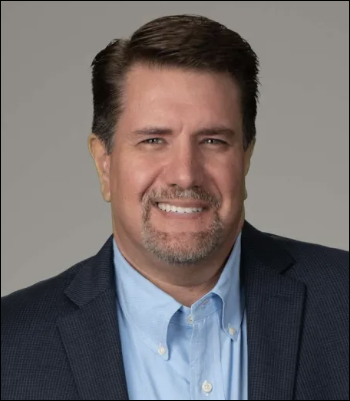
Mr. Meek is a partner in MendenFreiman's business law, tax planning, and estate planning practice areas. He provides comprehensive legal counsel on business, tax, and estate planning matters to high-net-worth individuals and families, as well as privately held businesses. A solutions-oriented, pragmatic, and collaborative counselor with strong business and financial acumen, experience advising families and business leaders on wealth and business planning issues, and aptitude in balancing risk exposure against strategic goals, Mr. Meek has represented businesses and business owners with the design and implementation of comprehensive business plans that integrate succession, tax minimization, and asset protection techniques. He applies his knowledge and expertise to develop customized strategies that help clients achieve their long-term business, financial, and estate planning objectives. Throughout his career, Mr. Meek has worked on numerous high-net-worth, developing comprehensive estate, tax, wealth transfer, and business succession plans and managing formation and implementation processes for defective grantor trusts and other forms of dynastic trusts, estate freeze transactions, and charitable trusts and foundations.
-
BARBRI is a NASBA CPE sponsor and this 110-minute webinar is accredited for 2.0 CPE credits.
-
BARBRI is an IRS-approved continuing education provider offering certified courses for Enrolled Agents (EA) and Tax Return Preparers (RTRP).
Date + Time
- event
Thursday, February 5, 2026
- schedule
1:00 p.m. ET./10:00 a.m. PT
I. IRC Section 678 beneficiary defective trusts: introduction
II. Origin of "beneficiary taxed" trusts
III. Beneficiary defective inheritor's trusts (BDITs)
IV. Beneficiary deemed owner trusts (BDOTs)
V. Freeze transactions
VI. Pitfalls to avoid
VII. Examples and applications
The panel will cover these and other critical issues:
- Legislative guidance on beneficiary taxed trusts
- Beneficiary defective trusts vs. intentionally defective grantor trusts (IDGTs)
- Planning applications for BDOTs and BDITs
- Techniques for freezing the current value of appreciating assets using trusts
- Common missteps to avoid when utilizing beneficiary defective trusts
Learning Objectives
After completing this course, you will be able to:
- Identify key provisions in Section 678 and legislation impacting beneficiary defective trusts
- Determine the importance of obtaining appraisals and documenting transactions
- Decide how beneficiary defective trusts simply tax reporting and fiduciary tax liability
- Ascertain key differences in BDOTs, BDITS, and IDGTs
- Field of Study: Taxes
- Level of Knowledge: Intermediate
- Advance Preparation: None
- Teaching Method: Seminar/Lecture
- Delivery Method: Group-Internet (via computer)
- Attendance Monitoring Method: Attendance is monitored electronically via a participant's PIN and through a series of attendance verification prompts displayed throughout the program
- Prerequisite:
Three years+ business or public firm experience preparing complex tax forms and schedules, supervising other preparers or accountants. Specific knowledge and understanding of estate, gift and trust taxation including various trusts types, the unified credit, and portability.
BARBRI, Inc. is registered with the National Association of State Boards of Accountancy (NASBA) as a sponsor of continuing professional education on the National Registry of CPE Sponsors. State boards of Accountancy have final authority on the acceptance of individual courses for CPE Credits. Complaints regarding registered sponsons may be submitted to NASBA through its website: www.nasbaregistry.org.

BARBRI is an IRS-approved continuing education provider offering certified courses for Enrolled Agents (EA) and Tax Return Preparers (RTRP).

BARBRI CE webinars-powered by Barbri-are backed by our 100% unconditional money-back guarantee: If you are not satisfied with any of our products, simply let us know and get a full refund. Contact us at 1-800-926-7926 .
Related Courses

Recommended Resources