About the Course
Introduction
This CLE/CPE course will guide trusts and estates counsel on leveraging spousal lifetime access trusts (SLATs) in estate planning after the One Big Beautiful Bill Act (OBBBA). The panel will discuss critical issues concerning income, gift, estate, and GST taxes, including pitfalls to avoid. The webinar will explore SLAT basics, discuss how to design SLATs to incorporate flexibility to anticipate an ever-changing landscape, and review the best way to minimize tax liability and ensure multi-generational gifting and flexible long-term planning.
Description
The current estate tax exemption has increased, creating opportunities and some challenges in designing estate plans after the OBBBA. SLATs can capitalize on current federal and state estate exemption levels in case there is a shift in the current tax regime.
A SLAT is an irrevocable trust created by one spouse for the other's benefit by using the gift tax exemption to make a gift to the SLAT, naming the other spouse as the current beneficiary. Children and grandchildren may also be named as trust beneficiaries during the spouse's lifetime, but will certainly benefit after the beneficiary spouse's death. This allows limited access to the beneficiary spouse of the SLAT assets and offers flexibility for the family.
Trusts and estates counsel must have a clear understanding of critical tax issues that may arise. The estate and gift tax exemption allows SLATs to be a useful lifetime tax savings tool when structured correctly. It can apply to various liquid and illiquid assets, allowing them to flow to the next generation outside of the estate tax regime.
Listen as our panel discusses critical issues and pitfalls to avoid with income, gift, estate, and GST taxes when using SLATs. The panel will explore SLAT basics, discuss how to design SLATs to incorporate flexibility to anticipate an ever-changing landscape, and review the best way to minimize tax liability and ensure multi-generational gifting and flexible long-term planning.
Presented By
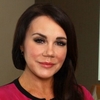

Mr. Katzenberg focuses primarily on wealth transfer planning and preservation, multi-generational planning, estate and trust administration, nonprofit and tax exempt organizations and charitable giving. He works with a variety of high net-worth clients and also represents clients in all phases of forming and managing nonprofit and tax exempt organizations (including public charities, private foundations and private operating foundations) and acquiring and retaining their tax exempt status. He authored numerous articles related to his field and is a frequent contributor to the New York State Bar Association’s Trusts and Estates Law Section Newsletter.
-
This 90-minute webinar is eligible in most states for 1.5 CLE credits.
-
Date + Time
- event
Thursday, July 23, 2026
- schedule
1:00 PM ET/10:00 AM PT
I. Impact of the OBBBA on estate planning
II. Considerations for the use of SLATs in estate planning
A. Access to trust assets
B. Choice of trustee
C. Impact of joint property
D. Building in substitution powers and flexibility
III. Critical tax considerations under the current tax regime
A. Dual trusts (reciprocal trust doctrine)
B. SLATs as grantor trusts
C. Divorce
D. Other tax issues
IV. Other alternative methods for multi-generational gifting and long-term planning
The panel will review these and other key issues:
- What are the critical considerations for the use of SLATs in estate planning in light of the OBBBA?
- How can you incorporate flexibility and options into your SLATs, and what are the pitfalls to avoid?
- What tax issues arise in the use of SLATs under current tax law?
- How does a divorce impact SLATs?
- What are other methods available for multi-generational gifting and long-term planning?