About the Course
Introduction
This CLE/CPE webinar will provide tax counsel and advisers guidance on applicable rules regarding non-cash charitable income tax deductions and planning and pitfalls to avoid. The panel will discuss income tax charitable deduction rules under current tax law, substantiation and reporting requirements, the impact of OBBBA, donor obligations, contemporaneous written acknowledgments and disclosures, property transfers, and other key items that taxpayers must consider.
Description
Charitable giving can provide significant income and estate tax advantages while also satisfying charitable intent. To ensure these advantages for clients, tax counsel and advisers must have a complete understanding of the legal framework and tax rules applicable to charitable giving vehicles, reporting, and deductions for non-cash donations.
For high net worth individuals, planned charitable giving is an essential tax planning tool. Under current tax law, a number of planning and giving strategies are available, such as the use of qualified charitable distributions and other gifting methods for purposes of tax planning. However, non-cash charitable donations must adhere to strict recordkeeping and valuation requirements, along with other critical factors to consider.
Listen as our panel discusses income tax charitable deduction rules for non-cash donations under current tax law, substantiation and reporting requirements, donor obligations, contemporaneous written acknowledgments and disclosures, and other key items that taxpayers must consider.
Presented By

Ms. Gross has spent over 30 years at the IRS Office of the Chief Counsel specializing in tax rules for charitable giving, including reporting (Form 8283), substantiation, and appraisal requirements. While working at the IRS Office of Chief Counsel, she was responsible for written guidance on charitable contributions and helped establish litigating positions for the National Office, the Small Business and Self-Employed Division, and the Litigation and Advisory Division. Ms. Gross participated in formal review of the Treasury regulations on qualified appraisals for charitable contribution deductions. She trained IRS revenue agents and attorneys nationwide on audit and litigation issues related to charitable contributions, and she was a trusted advisor to IRS Counsel litigators and revenue agents on handling abusive charitable contribution transactions. For many years, Ms. Gross was a regular speaker on behalf of the IRS on tax topics related to personal property donations, including donations of art, and real property donations, including donations of conservation easements and fee interests. She also guest lectured, on a regular basis, at several leading law schools.
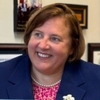
Ms. Tyson has 25 years of experience practicing tax law, which began as a student-attorney in a federal tax clinic. She served for 2 years as a U.S. Tax Court law clerk and subsequently practiced law as an attorney in a multinational law firm, advising on employee benefits, tax, and corporate matters. In 2006, Ms. Tyson joined the Internal Revenue Service (IRS) Office of Chief Counsel. There, she was promoted to Senior Counsel and Supervisory Attorney. While with the IRS Office of Chief Counsel, Ms. Tyson was repeatedly recognized, both individually and as a team member, for making outstanding contributions. In 2022, she was named “Attorney of the Year” among all field attorneys in the IRS, nationwide. In Ms. Tyson's cases, the amounts at issue ranged from several thousand dollars to more than a billion dollars. She successfully litigated cases on behalf of the IRS in the U.S. Tax Court and advised on significant refund cases litigated by the U.S. Department of Justice in U.S. District Courts and the U.S. Court of Federal Claims. For over a decade, Ms. Tyson served as a “subject matter expert” for civil tax penalties within the IRS Office of Chief Counsel for the IRS’s Large Business & International Division. For more than five years, she advised revenue agents and attorneys nationwide regarding tax issues associated with charitable giving and advised leadership in both the IRS and the IRS Office of Chief Counsel regarding these issues. Ms. Tyson also taught scores of training sessions to revenue agents and IRS attorneys nationwide about civil penalties and conservation easements. She received multiple awards, both individually and as a team member, for her contributions.
-
This 90-minute webinar is eligible in most states for 1.5 CLE credits.
-
Date + Time
- event
Thursday, October 1, 2026
- schedule
1:00 PM ET/10:00 AM PT
I. Governing document requirements
II. Charitable deduction rules and requirements
III. Reporting obligations and challenges
IV. Substantiation rules
V. Planning considerations
The panel will discuss these and other key issues:
- Charitable deduction rules and requirements for non-cash donations
- Reporting of charitable deductions
- Navigating valuation issues
- Differences between allowable individual and trust contributions
- Available vehicles for non-cash charitable giving and pitfalls to avoid
Related Courses

Investment Fund Tax Compliance and Planning: New IRS Guidance and Pitfalls to Avoid
Tuesday, December 8, 2026
1:00 PM ET/10:00 AM PT