About the Course
Introduction
This CLE webinar will discuss bad faith claims resulting from weather-related losses. The panel will address the unique issues that arise in these types of losses, frequently cited exclusions and other reasons for denying weather-related claims, best practices for finding coverage, and practical guidance for avoiding bad faith.
Description
Weather-related claims carry a heightened risk of bad faith for many reasons. Although the standard for bad faith varies by jurisdiction, what would be reasonable insurer conduct, timelines, investigation, communication, or claim adjustment practices for other types of losses may not be considered reasonable for these claims. Life-changing and life-interrupting losses that cripple people and businesses trigger more intense scrutiny of insurer practices.
Weather-related losses are complex. Weather events usually involve several different elements that could cause damage. Sometimes experts are needed, but not always, and claiming experts are needed when they are not could be a red flag. Concurrent causation issues often arise, and it may be necessary to prove whether a covered peril independently caused the loss before some excluded peril happened. The extent of damage from a covered peril is often a hotly contested issue. The operation of ensuing loss clauses frequently poses challenges.
Listen as our esteemed panel considers how bad faith claims can arise from weather-related losses and practical pathways for navigating coverage disputes.
Presented By
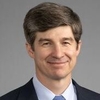
Mr. Healy is a seasoned trial attorney with more than 20 years of extensive courtroom experience in courts across the country. He represents policyholders seeking insurance coverage. Mr. Healy has successfully obtained coverage under numerous policy types, working with clients from a variety of industries, including technology companies, financial consultants, manufacturers, railroads, banks, financial service providers, retailers, medical service providers, and food and beverage providers. He is the author of Cyber Insurance Claims, Case Law, and Risk Management, a leading treatise on cyber insurance. In addition, Mr. Healy regularly represents clients in disputes involving intellectual property rights and in proceedings before the U.S. Patent and Trademark Office. He has negotiated copyright and trademark resolutions, including licensing agreements, involving state, federal and international intellectual property rights. Many of the matters he has been involved in have concerned software, online competition, blockchain businesses and technology.
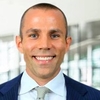

Mr. Schernecke advises direct lenders, mezzanine investment funds, and venture capital investors in a variety of debt and investment transactions with borrowers of all sizes, types, and structures. He also counsels private equity clients and corporate borrowers on domestic and cross-border acquisition financings, out-of-court restructurings and workouts, bankruptcy matters, ESG and impact investment financings, and real estate financings. Mr. Schernecke leads transactions spanning diverse industries, including financial services, real estate, retail, life sciences, health care, technology, food and beverage, hospitality, film and music entertainment, media, and telecommunications.
-
This 90-minute webinar is eligible in most states for 1.5 CLE credits.
-
Date + Time
- event
Thursday, March 26, 2026
- schedule
1:00 p.m. ET/10:00 a.m. PT
I. Rising frequency of weather-related or climate-related claims
II. Common types of weather-related losses or damage
III. Concurrent cause disputes
IV. Extent of damages disputes
V. Ensuing loss disputes
VI. Proper role of experts
VII. Strategies for insurers to avoid bad faith
VIII. Strategies for policyholders to find coverage
The panel will review these and other important questions:
- How do parties prove in what order particular weather events occur when they seem to happen together?
- Will power outages that result in loss of inventory trigger business interruption coverage?
- What weather-related perils are typically excluded?
Related Courses

Smoke and Partial-Loss Wildfire Insurance Claims: Coverage, Exclusions, New California Smoke Damage Recovery Act
Tuesday, November 10, 2026
1:00 PM ET/10:00 AM PT