About the Course
Introduction
This CLE course will review the inconsistencies regarding when extrinsic evidence may be used to establish that a particular policy provision is ambiguous and discuss interpreting any ambiguity as well exceptions to the "four/eight corners" rule. The panel will focus on key jurisdictions and discuss what types of extrinsic evidence are most often turned to, what provisions cause the most difficult ambiguities, and intentional ambiguity.
Description
Ambiguity in insurance policies can be costly to insurers regardless of the type of policy. Moreover, parties can end up in expensive discovery disputes in coverage litigation over whether extrinsic evidence of meaning is discoverable.
Courts in different jurisdictions take various positions on core issues such as whether extrinsic evidence can be used to find ambiguity, distinguishing between obvious and latent ambiguities, and whether and what kind of extrinsic evidence can resolve ambiguities. Some states only allow such evidence in cases of fraud but encounter similar issues in establishing fraud.
Parties often argue over what types of interpretive materials are acceptable and if trade practices and other business practices are relevant. The definitions section of policies gives rise to ambiguity, but often, everyday terms are not defined at all.
Listen as this experienced panel explores how to approach claims and coverage resolution by focusing on the policy language.
Presented By
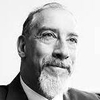
Mr. Guardaro is the leader of the Firm’s Appellate and Complex Litigation Department and has broad experience in appellate practice, insurance coverage, tort defense work (including Labor law, medical and legal professional liability, product liability), land use, condemnation, commercial tenancy disputes, municipal law, municipal code drafting, municipal zoning and planning practices and insurance policy drafting. He has a proven track record in successfully managing complex projects and outcomes through advanced creative legal solutions in commercial and personal line defenses. Mr. Guardaro is active in trial monitoring programs throughout the nation where he works with local counsel to defend and resolve complex cases.
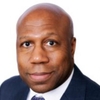
Mr. Pedro joined Axon Underwriting in August 2023 as In-House Counsel. He has practiced law for over 20 years focusing on a diverse insurance coverage counseling and litigation practice. Mr. Pedro's practice has encompassed a wide range of complex coverage matters, including commercial general liability, directors and officers, errors and omissions, cyber and data loss, professional liability, employment practices, and first-party property. Throughout his career, he has litigated construction accidents, transportation, subrogation, products liability, premises liability, copyright, and other civil litigation matters.
-
This 90-minute webinar is eligible in most states for 1.5 CLE credits.
-
Date + Time
- event
Tuesday, October 20, 2026
- schedule
1:00 PM ET/10:00 AM PT
I. Short overview of general rules of interpretation
A. The intent of the parties
B. Reasonable expectations
II. Extrinsic evidence of intent
A. Industry materials, bulletins
B. Underwriting, claims materials, advertising brochures
C. Prior claims handling practices or inconsistent interpretations of the same provision
D. Related documents: application, binder, declarations
E. Eligibility vs. coverage and use of underwriting standards to assess coverage
III. Key jurisdictions
The panel will review these and other issues:
- When will courts allow the use of extrinsic evidence to resolve policy ambiguities?
- What coverage disputes are best suited for motions for summary judgment and cross-motions?
- What special rules apply to interpreting exclusions and resolving ambiguities?
- What types of extrinsic evidence are most litigated?
Related Courses
Smoke and Partial-Loss Wildfire Insurance Claims: Coverage, Exclusions, New California Smoke Damage Recovery Act
Tuesday, November 10, 2026
1:00 PM ET/10:00 AM PT