About the Course
Introduction
This CLE course will explore title insurance policies, escrow/settlement instructions, and practical strategies to mitigate the risk of failed closings and maximize recovery from those responsible for the failure.
Description
Title insurance policies and escrow/settlement instructions are two of the most critical components of all real estate transactions. When aligned, they provide protection to the parties; when title insurance and instructions are misaligned, parties are exposed to legal and financial risk.
The parties' instructions to the title insurer and the escrow/settlement agent direct how the transaction should be closed. The title insurance policy provides a method of financial recovery if the transaction is not closed as required by the instructions. Together, they should provide complete protection for a party to a real estate transaction. However, several problems can arise, making recovery under the express and implied escrow instructions and the title insurance policy challenging, time-consuming, and costly!
Designed for real estate finance attorneys, lenders' counsel, borrowers' counsel, title professionals, and other transaction participants, this course will examine the interplay between title insurance coverage and escrow/settlement instructions, spotlighting when and how to identify and mitigate the risks of failed closings through insurance. The panel will analyze common closing process breakdowns, including undisclosed record title defects and non-record title defects; closing instruction inconsistencies related to lien priorities and real property interests, etc.; agent misconduct alleged to be outside the closing protection letter (CPL) or the title insurance policy; when title insurance policies do not comply with settlement instructions; and more. Through this exercise, our panelists will outline strategies and transaction structures to help practitioners avoid title insurance disputes. If the unfortunate occurs, the lessons learned from this course will help counsel maximize recovery against title insurers.
Listen as our authoritative panel outlines practical strategies to minimize closing risks, navigate claims, resolve litigation, and maximize title insurance recoveries for failed real estate closings.
Presented By
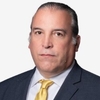
Mr. Goldstein specializes in resolving complex business disputes for a diverse cross-section of clients, which include “private money” lenders/brokers/servicers, insureds, mortgage servicers, banks, credit unions, foreclosure trustees, investors, trade secret owners, individuals which own real property and general contractors. He is a Partner at Buchalter who primarily practices out of Buchalter’s Irvine and Los Angeles offices – but his practice is statewide (and sometimes nationwide). Mr. Goldstein is a Co-Chairman of Buchalter’s Title Insurance and Escrow Group, a fellow of the American College of Mortgage Attorneys (“ACMA”), an ACMA Title Insurance Committee member, and former President of the Orange County Bar Association Insurance Law section.

Mr. Hosack is a Partner in the Firm’s Los Angeles office and Co-Chair of Buchalter’s Title Insurance & Escrow Industry Group. He represents secured lenders and property owners at trial and on appeal in complex real property disputes, including lender liability, fraud, class actions, breaches of contract, wrongful foreclosures, mechanic’s liens, stop notices, judicial foreclosures, receiverships, escrow claims and title insurance claims. Mr. Hosack transactional practice includes commercial real property loan documentation, loan workouts, REO sales and foreclosures. Mr. Hosack, who is AV Preeminent rated by Martindale Hubbell, has been selected as one of Southern California’s Super Lawyers from 2006 to 2024 and was also selected as a Southern California Super Lawyer, Corporate Counsel Edition from 2009 to 2024. He has also been selected by Who’s Who Legal USA from 2002 to 2024 as “one of the USA’s leading practitioners” in the field of real estate.
-
This 90-minute webinar is eligible in most states for 1.5 CLE credits.
-
Date + Time
- event
Tuesday, August 25, 2026
- schedule
1:00 PM ET/10:00 AM PT
I. Title insurers: local vs. national offices
II. Discovering and dealing with title defects
A. Concealed and undisclosed record title defects
B. Non-record title defects (i.e. lack of authority, duress, undue influence, and more)
III. Instruction inconsistencies and compliance failures
A. Identifying and resolving conflicting real property interests
B. Nonconforming title insurance policies: when and how they arise at closing
IV. Closing agent misconduct
A. Failure to strictly comply with express and implied instructions
B. Failure to disclose and inform
C. Recordation of documents
D. Handling of funds
E. Title insurer's liability for agent's misconduct with or without a CPL
V. Navigating escrow/settlement and title insurance claims
VI. Failure to act: when the title insurer or the closing agent fails to resolve closing instruction inconsistencies
VII. Claims and litigation with the title insurer, agent, and third parties
The panel will review these and other key issues:
- What are the potential risks associated with undisclosed or concealed record title defects?
- How can parties resolve disputes involving non-record title defects?
- When does agent misconduct fall outside a CPL or title insurance policy, and how can counsel address it?
- How can counsel ensure escrow instructions are clear, consistent, and enforceable?
- What strategies maximize policy recovery in the event of a failed closing?
Related Courses

Examining Real Estate Secondaries From Structure to Closing: Negotiation, Drafting, Tax Approaches to Improve Client Outcomes
Friday, December 4, 2026
1:00 PM ET/10:00 AM PT
Maximizing 1031 Exchanges While Minimizing Ethical Violations and Malpractice Risks
Tuesday, December 8, 2026
1:00 PM ET/10:00 AM PT