About the Course
Introduction
This CLE/CPE course will provide estate planning counsel and advisers with a comprehensive guide to the tax planning opportunities and pitfalls to avoid when making a Section 645 election to treat qualified revocable trusts (QRTs) as estates. The panel will discuss the advantages of electing estate treatment of existing revocable trusts, describe the impact of the "separate share rule" of IRC 663 in calculating distributable net income (DNI), and detail tax allocation strategies.
Description
Section 645 provides an opportunity to combine the filing of the trust return with the estate income tax return. When properly elected, the trust's income and expenses are reported along with the estate's, using the estate's year-end rather than the trust's required calendar year-end. Since estates often elect a fiscal year-end based on the decedent's date of death, this can significantly delay the filing requirement and the payment of the tax obligation.
Making the election allows many small estates to file a first and final Form 1041. Making the election, however, is irrevocable. While this election can provide significant flexibility, advisers must be aware of the potential tax consequences of failing to properly allocate income and distributions between the estate and its component trust. Also, the election terminates, and at the end of the termination period, beneficiaries could receive two K-1s, sometimes negating any tax benefit received from making the election.
Listen as our panel of trust and estate experts explains the caveats and considerations of making a Section 645 election and the advantages of electing estate treatment of existing revocable trusts. The panel will also discuss the impact of the "separate share rule" of IRC 663 in calculating DNI and detail tax allocation strategies.
Presented By

Mr. Doyle is an estate planning strategist for BNY Mellon’s Private Wealth Management group and a Senior Vice President of Bank of New York Mellon. He has been with the firm since 1981. Mr. Doyle provides high net worth individuals and families throughout the country with integrated wealth management advice on how to hold, manage and transfer their wealth in a tax efficient manner. He is admitted to practice law in the Commonwealth of Massachusetts and before the United States District Court, United States Court of Appeals (First Circuit) and the United States Tax Court.
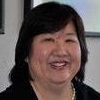
Ms. Fukuto is a Tax Partner and specializes in the Estate and Trust Tax Services for Eide Bailly, LLP, a certified public accounting firm. With over 40 years of experience, she provides tax compliance, planning and consulting services for high net worth individuals, business succession and perpetuation planning for closely-held businesses and non-profit organizations. Ms. Fukuto's expertise includes estate and trust plan review and development, implementation and administration, tax compliance and strategic consulting services that allow her to work with complex estates and family wealth transfer issues. She obtained her Bachelor of Science in Accounting from the University of Southern California and her Masters degree in Taxation from Golden Gate University. Ms. Fukuto is a member of the American Institute of Certified Public Accountants and the California Society of Certified Public Accountants. She is also the Former Chair for the Orange County Estate Planning Council and Former Chair of the State Estate Planning Interest Group for the California Society of Certified Public Accountants.
-
This 90-minute webinar is eligible in most states for 1.5 CLE credits.
-
CPE credit is not available on recordings.
-
Date + Time
- event
Thursday, November 19, 2026
- schedule
1:00 PM ET/10:00 AM PT
I. Qualified revocable trusts
II. Section 645
A. Making the election
B. Impact of Sec. 645 election
C. Due dates and expiration
III. Tax benefits
A. Charitable contributions
B. S corporation stock
C. Estimated tax payments
D. Certain passive losses
E. Other benefits
IV. Other issues to consider
A. Termination
B. Separate share rules
C. Other caveats
The panel will discuss these and other important topics:
- What types of trusts qualify as QRTs and are eligible to make a Section 645 election?
- How is the "separate share" rule applied to DNI calculations and allocations between the QRT and the estate after the election?
- What post-mortem tax planning strategies are available with a Section 645 election?
- Mechanics of making the election with initial income tax filing
Related Courses

Estate Planning for U.S. Families with Foreign Assets: Strategies for Tax Counsel and Estate Planners
Tuesday, January 26, 2027
1:00 PM ET/10:00 AM PT
Income Tax Planning for In-Kind Trust Distributions
Tuesday, February 16, 2027
1:00 PM ET/ 10:00 AM PT