About the Course
Introduction
This CLE webinar will examine recent DOJ False Claims Act (FCA) enforcement activity against healthcare entities that resulted in record-breaking recoveries in FY 2025 totaling more than $5.7 billion. The panel will discuss notable and very costly enforcement actions and settlements, lessons to be learned, and current enforcement trends. The panel will also offer best practices for helping clients mitigate the risk of FCA enforcement action.
Description
Under an administration targeting healthcare fraud, it is not surprising that, of the record $6.8 billion in total FCA settlements and judgments recovered by the DOJ in FY 2025, healthcare-related actions accounted for the majority at over $5.7 billion in recoveries. Enforcement activity focused on Medicare Advantage fraud and managed care issues, prescription drug fraud, allegations of medically unnecessary care, and even cybersecurity misrepresentations.
Notable FCA enforcement actions and settlements included a more than $62 million settlement with Medicare Advantage provider Seoul Medical Group and associated entities for, among other things, submitting false diagnosis codes to increase MA payments, and a $9.8 million settlement against medical device manufacturer Illumina Inc. for failing to incorporate adequate cybersecurity in its software design and development.
Counsel and healthcare clients should understand DOJ enforcement focus, lessons to be learned from this historic FCA enforcement activity, and potential FCA enforcement trends.
Listen as our expert panel provides an update on FCA enforcement activity in the healthcare industry. The panel will examine key enforcement actions and settlements, review areas on which DOJ is currently focusing, and offer best practices for mitigating the risk of enforcement action.
Presented By

Ms. Papish concentrates her practice on matters involving healthcare fraud and abuse and white-collar defense. Notably, she has significant experience working on a range of high-stakes, complex civil and commercial litigation matters and government and internal investigations. Ms. Papish regularly represents clients in False Claims Act litigation and related civil and criminal investigations by the U.S. DOJ, HHS-OIG, FDA, DEA, and other federal and state regulators. Her work is concentrated on the healthcare and life sciences industries but has spanned a number of others, including technology and financial services.
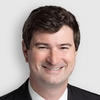
Mr. Porter focuses on white collar criminal defense, federal investigations brought under the False Claims Act, and litigation against the government and whistleblowers, with an emphasis on matters within the healthcare industry. As a former federal prosecutor with the DOJ, he was a key member of multiple international healthcare fraud takedowns and prosecuted a series of high-profile financial crime cases. Mr. Porter also handled major civil investigations and litigation against companies and individuals under the False Claims Act, resulting in record-breaking settlements and judgments. He now uses that experience to guide clients through federal investigations of all kinds, to litigate cases against and involving the government, and to run effective and right-sized internal investigations for corporations. Many of Mr. Porter’s clients are in the healthcare industry, including health systems, physician groups, and other healthcare companies, along with medical professionals and executives. He serves as a vice chair of the American Health Law Association’s Fraud and Abuse Practice Group.

Mr. Williams represents companies in complex commercial litigation and governmental enforcement matters. He is a commercial litigator with specialty experience in False Claims Act (FCA) investigations and litigation. From 2015 through 2023, Mr. Williams was a Trial Attorney in the Fraud section of the U.S. DOJ Civil Division. In that role, he had significant responsibility for advancing FCA investigations and litigation across a range of federal programs and enforcement regimes. His FCA investigation and litigation experience involved traditional areas of enforcement such as Medicare Part C, Medicaid, and Stark/AKS, as well as less frequent areas of enforcement. Since joining the firm, Mr. Williams has contributed to FCA matters involving programs within a range of federal agencies, including the Department of State, the FCC, the FDA, and the intersection of the FCA and bankruptcy. He recently co-authored "The Coming Era of Anti-Kickback Statute Enforcement" for National Law Journal.
-
This 90-minute webinar is eligible in most states for 1.5 CLE credits.
-
Date + Time
- event
Tuesday, October 6, 2026
- schedule
1:00 PM ET/10:00 AM PT
I. Introduction
A. Trump administration targets healthcare fraud
II. DOJ's record 2025 FY FCA recovery: healthcare focus
A. Medicare Advantage and managed care
B. Prescription drugs
C. Medically unnecessary care
D. Cybersecurity and digital health
III. Notable enforcement actions and settlements
A. Lessons to be learned
IV. Best practices for mitigating risk of enforcement action
V. Key takeaways
The panel will review these and other important considerations:
- Why was FY 2025 a record-breaking year in FCA recoveries against healthcare entities? In what areas did DOJ focus its enforcement activity?
- What lessons may be learned from notable settlements?
- What are current trends and developments in DOJ FCA enforcement?
- What are best practices for mitigating the risk of enforcement action?
Related Courses

Challenges in Negotiating Clinical Trial Agreements: Research Rights, Privacy, Risk Allocation, and AI
Tuesday, December 1, 2026
1:00 PM ET/10:00 AM PT
Buying and Selling Physician Practices: Legal and Business Considerations, Transaction Structure, Key Provisions
Thursday, December 3, 2026
1:00 PM ET/10:00 AM PT
CMS Interoperability and Prior Authorization Rules Update: Stakeholder Requirements, Timeline, Compliance Challenges
Tuesday, January 26, 2027
1:00 PM ET/10:00 AM PT