About the Course
Introduction
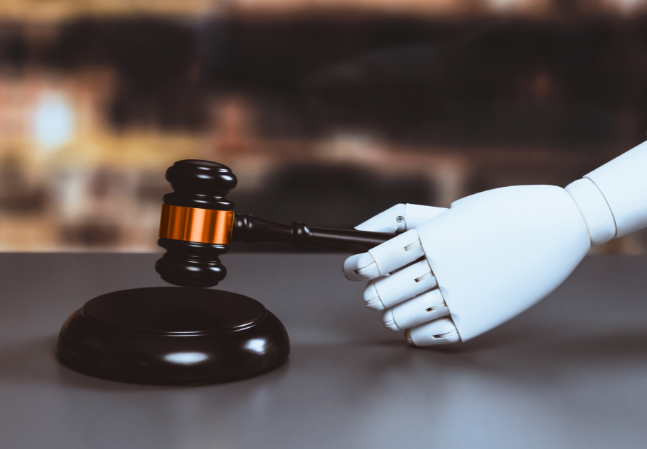
This CLE webinar will discuss new considerations for medical malpractice attorneys when AI and machine learning are involved in patient care. The panel will offer practical insights useful for either plaintiff or defense counsel, including insurance coverage considerations.
Description
Using AI to deliver medical care presents different and often more complex medical liability issues. To meet these new challenges, medical malpractice counsel first need to understand how physicians, surgeons, hospitals, and other medical providers are integrating AI and machine learning into everything from administrative and workflow functions to diagnostics to robotic surgery. They also need to understand how insurers are covering or excluding AI use.
AI, however, does not change the standard of care for healthcare professionals and hospitals, nor the need to prove deviation from that standard, causation, and resulting damages. Patient disclosure and consent may be particularly important. Using AI will likely expand the number of potential defendants. Developers and other third parties seem destined to become additional defendants in medical malpractice cases, with attendant debates over apportionment of fault. AI experts will be needed, and ultimately jury perception of AI's pros and cons will play a significant role in determining liability and damages.
At a minimum, everything about the AI technology and its use—how it was developed and tested, the user's knowledge of the system and compliance with policies and procedures, the AI's strengths and weaknesses, how and who selected a particular AI use, and much more—is likely to be rigorously scrutinized by plaintiffs and insurers.
Listen as this esteemed and experienced panel discusses new challenges that will arise in cases alleging AI-related medical malpractice and offers practical guidance for navigating these perplexities.
Presented By

Ms. Barnard is a civil litigation defense attorney with a practice focused on medical malpractice for hospitals and long-term care facilities. She represents clients across the full litigation lifecycle, from early case investigation and expert team development through depositions, trial preparation, and resolution. Ms. Barnard has a particular interest in the intersection of artificial intelligence and healthcare, including institutional governance of artificial intelligence use and potential ramifications in litigation.

Ms. Sepcich Drummond is an attorney primarily handling pharmacy error, personal injury and medical malpractice cases from the New Orleans office of The Bowling Law Firm. She is admitted to the Louisiana Bar Association and licensed in all federal courts in Louisiana as well as the United States Fifth Circuit.

Mr. Greve is an experienced consultant for insurers and healthcare organizations with a broad background in both the health care professional liability industry and the healthcare industry with a demonstrated history of success working in both. He is a recognized national expert on all aspects of health care professional liability. Mr. Greve is skilled in healthcare professional liability insurance company growth strategy, sales support and marketing, risk management, litigation strategy and claims management.
-
This 90-minute webinar is eligible in most states for 1.5 CLE credits.
-
Date + Time
- event
Tuesday, June 16, 2026
- schedule
1:00 PM ET/10:00 AM PT
I. How AI is used in healthcare
II. How AI leads to errors
III. Insurance considerations
IV. Standard of care when using AI in diagnosis, treatment
V. Potential defendants
VI. Scrutiny of relevant AI system(s) and its use
VII. Causation: defective AI or incorrect deployment
VIII. Role of informed consent
IX. Defenses
X. Juror perceptions of AI use or failure to use
The panel will address these and other important issues:
- How is AI being used in healthcare?
- When the AI makes a mistake and a person is injured, who is responsible?
- When does AI use in healthcare have to be disclosed to patients, and what is informed consent with respect to AI?
- What happens when AI relies on data summarized or generated by AI or agentic AI?
Related Courses

Stroke Medical Malpractice: Contending With Escalating Standards of Care and Complex Causation Hypotheses
Thursday, November 19, 2026
1:00 PM ET/10:00 AM PT